


Post Author:
Blink Juwele
Categories:
Date Posted:
March 18, 2021
Share This:
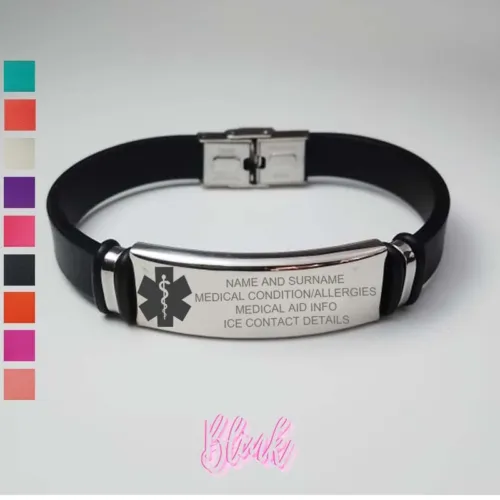
Cancer Awareness Initiative the #Blink way!
Cancer Awareness Initiative the #Blink way! setting the trend in the Jewelry industry to support the fighters, survivors and fallen angels!
Colors and Months for Cancer-Related Ribbons
A light purple or lavender ribbon is generally used to represent all cancers as a whole. Sometimes, instead, many different ribbons are combined together to represent all cancers.
Uncommon or rare cancers may be represented in a few ways—either with a light purple ribbon or a black and white zebra print ribbon. The zebra stands for a common saying in medicine: “When you hear hoofbeats, look for horses, not zebras.” In a field of horses, you are most likely to see horses, but occasionally, you will spot a zebra.
Many who are living with cancer realize that “zebras” (rare cancers) occur as well, and when you add all of these uncommon and rare cancers together, they are actually quite common.
It’s important to note that specific cancer may be represented by more than one ribbon color and that this can vary depending on where you live. Some ribbon colors also represent specific non-profit groups who advocate for a particular type of cancer. For example, a white or pearl ribbon is used to represent lung cancer, but turquoise is the color of an American Lung Association initiative.
In addition, there are months dedicated to certain types of cancer, also listed below. June is National Cancer Survivor Month.
| Cancer | Ribbon | Month |
|---|---|---|
| All Cancers | Light Purple (Lavender) | |
| Ovarian Cancer | Teal | September |
| Bladder Cancer | Yellow, purple and navy blue | May |
| Bone Cancer | Yellow | July |
| Melanoma | Black | May |
| Lung Cancer | Pearl, Clear or White | November |
| Myeloma | Burgundy | March |
| Prostate Cancer | Light Blue | September |
| Breast Cancer | Pink | October |
All Cancers – Purple Ribbon Info
 Cancer is a group of over 200 different diseases in which abnormal cells multiply uncontrollably, destroying body tissues or functions. Cancer can form in almost any place in the body and each cancer is named for the tissue type or organ in which it begins.
The most common types of cancer (other than basal cell skin cancer and squamous cell skin cancer) are breast cancer, lung cancer, prostate cancer, colon and rectal cancer, and melanoma.
Cancer has various symptoms and is treated in different ways depending on the type. Treatments include surgery, chemotherapy, radiation, and immunotherapy.
One in two men and one in three women are expected to develop cancer (not including skin cancer) over the course of a lifetime.
Ovarian cancer Green Ribbon Info
 Ovarian cancer affects a woman’s ovaries and surrounding structures. It rarely causes symptoms at early stages, but may cause infertility or produce vague abdominal and pelvic discomfort at late stages. Ovarian cancer comprises 1.2% of cancer diagnoses and 2.3% of cancer deaths in the South Africa. The average five-year survival rate for all types of ovarian cancer is 49%. However, if ovarian cancer is found and treated before it spreads outside the ovaries, the five-year survival rate is 93%.
Ovarian cancer is linked with hereditary and environmental factors. It is diagnosed with a combination of clinical exam, imaging tests, and biopsy. Blood tumor markers, like CA-125, can be elevated.
Staging is based on tumor invasiveness and extent of metastases. Subtypes correspond to the tissue type of origin—epithelial, stromal, germ cell, and small cell carcinoma. Treatment, which includes surgical and medical intervention, can improve survival and quality of life.
Bladder cancer Yellow Ribbon Info
 Bladder cancer, the most common type of urinary tract cancer, affects men more frequently than women. The average five-year survival rate for all types of bladder cancer is 77%. However, if bladder cancer is found and treated before it spreads outside the bladder, the five-year survival rate is 96%. Risk factors include smoking, carcinogen exposure, chronic bladder infections, and hereditary predisposition.
Bladder cancer is usually asymptomatic, but it can produce blood in the urine and pelvic discomfort. It is diagnosed with imaging tests, and the type, grade, and stage are determined based on a biopsy. Urothelial cell cancer, also called transitional epithelial cancer, is the most common type of bladder cancer. Treatment includes a combination of surgery, chemotherapy, and radiation therapy, sometimes with surgical restructuring of affected parts of the urinary system.
Bone cancer Yellow Ribbon Info
 Bone cancer is a type of malignancy that can affect both children and adults and develop in any bone in your body, though the long bones of the arms and legs are the most common. Cancer can also be spread from another location to the bone, known as secondary bone cancer, but this isn’t considered actual bone cancer because it doesn’t originate in the bones.
Bone cancer is rare, making up just 1 percent of all kinds of cancer, and noncancerous bone tumors occur far more often than cancerous ones.
Surgery is often the go-to treatment, but radiation and/or chemotherapy may also be used.
Types of Bone Cancer
There are several types of primary bone cancer, meaning cancer originated in the bone, including:
- Osteosarcoma starts in the bone cells and occurs most often in the arms, legs, and pelvis. It involves increased osteoblast activity. Osteoblasts are cells that aid bone formation and design.
- Chondrosarcoma starts in cartilage and mainly affects the pelvis, legs, and arms
- Ewing’s sarcoma, seen commonly in the chest wall, pelvis, arms, and legs
- Malignant fibrous histiocytoma, which starts in soft tissue, but can occur in bones, particularly the arms and legs
- Fibrosarcoma chordoma, which also starts in soft tissue, but can start in the arms, legs, or jaw
- Giant cell bone tumors are usually benign (not cancerous) but the malignant form can affect the legs, especially near the knees
- Chordoma is usually seen in the spine and base of the skull
Osteosarcoma, chondrosarcoma, and Ewing’s sarcoma are the most common types of bone cancer.
Secondary bone cancer is much more common than primary bone cancer, but it’s not considered bone cancer since the cancer has spread from another location to the bone.
As a rule, when secondary bone cancer is diagnosed, we refer to the cancer by the site of origin rather than the organ it has affected.
For example, a bone cancer caused by a breast cancer that has spread (metastasized) would not be called bone cancer but rather “breast cancer metastatic to the bones.”
Secondary bone cancer is considered serious and classified as stage 4 (metastatic) disease since it, by its very nature, involves multiple organs.
Melanoma – Black Ribbon Info
 Melanoma is a skin cancer that arises from a skin cell called a melanocyte, which makes a the pigment (melanin) that gives your skin its color. Melanoma can appear in different ways, most commonly as a new spot on the skin or as an already existing mole that changes in color, size, or shape. While considered the most dangerous type of skin cancer because of its ability to rapidly spread throughout the body, melanoma is generally very treatable if found early.
Melanoma Types and Symptoms
Distinguishing between a cancerous and a normal mole can be challenging, even for physicians. This is why any new, changed, or out of place skin spot should be checked out by a dermatologist.
Potential signs and symptoms of melanoma include:
- Itching or other skin sensation like tenderness or pain
- Sore on the skin that does not heal
- Bleeding or oozing from a mole
- Change in the surface of a mole like a lump or bump
- Spread of pigment from the border of a mole into the surrounding skin
- Redness or swelling surrounding a mole
But this list is limited. How melanoma presents also has a lot to do with which of the four main subtypes it is, as each have their own characteristics. Any mole that has a diameter that is the same or larger than the diameter of a pencil eraser should be evaluated.
Superficial Spreading
This is the most common subtype of melanoma in people with fair skin. It usually begins as a brown or black spot that is asymmetric, has irregular borders, exhibits changes in color.
Nodular Melanoma
After superficial spreading melanoma, nodular melanoma is the next most common type of melanoma in fair-skinned individuals.8 Instead of growing outward, this melanoma grows vertically (deep into the skin).
Nodular melanoma usually begins as a dark or lightly colored (pink hue) raised spot.
Lentigo Maligna
This subtype of melanoma is most common in chronically sun-damaged areas of skins in older individuals. Lentigo maligna typically starts as an irregular-shaped tan or brown spot that grows slowly over the years to form a larger spot that becomes asymmetric and/or develops color changes or raised areas.
Acral Lentiginous
This subtype accounts for less than 5% of all melanomas. However, it is the most common type among dark-skin individuals.
Acral lentiginous melanoma usually appears on the palms of the hands or soles of the feet as an irregularly-shaped growth or an elevated, thickened patch that is changing in color or size. It may also appear underneath a fingernail or toenail as a brown or black streak or band.
If melanoma grows large and spreads to other regions of the body, it may cause symptoms related to that spread. For example, a melanoma that has spread to the liver may cause jaundice, a yellowish discoloration of the skin.
Cancers that have spread may also cause systemic symptoms such as fatigue, unintentional weight loss, and weakness
Lung cancer – White Ribbon Info
 Lung cancer is the most common type of cancer worldwide. It often doesn’t cause symptoms until it enlarges within the lung or metastasizes (spreads) to other areas of the body. Smoking is the leading risk factor, but it can affect non-smokers as well. In the United States, lung cancer is the leading cause of death from cancer.
Paraneoplastic syndromes may trigger diagnostic testing. Diagnosis is established through imaging studies, tissue biopsy, and, sometimes, liquid biopsy blood tests. There are several types of lung cancer, each defined by the type of lung cell from which they started.
Treatment includes surgery, radiation, chemotherapy, immunotherapy, and/or symptom management. The outcome of lung cancer is generally better when it is diagnosed at an earlier stage, but each type of lung cancer has its own anticipated prognosis as well.
Multiple myeloma – Red Ribbon Info
 Multiple myeloma (sometimes referred to as myeloma) is a rare type of blood cancer that involves the abnormal growth of plasma cells—a type of white blood cell—that accumulate uncontrollably in the bone marrow. The immune system is impacted due to the inefficiency of the plasma cells to produce healthy antibodies, which fight infection. The overgrowth of plasma cells crowds other blood cells, reducing the number of healthy red and white blood cells.
This often results in conditions such as frequent infections, anemia, low platelet count (blood clotting cell count), and more. The myeloma cells can also result in painful bone tumors and destruction of bone tissue that leads to a high risk of bones that are easily fractured. In the late stage of the disease, the organs may be affected due to myeloma cells producing abnormal antibodies—called M proteins—that build up in the body, causing damage to the kidneys.
Prostate cancer – Blue Ribbon Info
 Prostate cancer is a slow-growing cancer of the prostate gland. Prostate cancer actually refers to a wide spectrum of diseases, with some tumors being aggressive and others that act more benign.
Prostate cancer is the third most common cancer in the United States and the second leading cause of cancer-related deaths in men.
Urination issues are the most common symptoms of the disease, though most cases are first detected by screening tests, such as a prostate-specific antigen (PSA) test. A formal diagnosis can only be made with tests such as an ultrasound-guided or MRI-targeted biopsy. Treatment options range from active surveillance (careful monitoring) to surgery and radiation and depend on your case.
Prostate cancer started the Cancer Awareness Initiative the #Blink way!
Breast cancer – Pink Ribbon Info
 Breast cancer occurs when normal cells in the breast undergo changes in their molecular characteristics, allowing them to grow and multiply uncontrollably. Excluding skin cancers, breast cancer is the most common type of cancer in women, affecting approximately 12% of women over the course of their lifetime.
Breast cancer is described based on the type of breast tissue where the tumor originates. For example, cancers that begin in the breast ducts are called ductal cancers and those in the lobules (glands) are lobular cancers.
Breast cancer typically does not cause symptoms in the early stages and is often detected with screening mammograms. Treatments depend on the cancer stage and type, and may include surgery, chemotherapy, hormonal therapy, biological therapy, and radiation therapy.
Breast Cancer leading the way in the Cancer Awareness Initiative the #Blink way!
visit our Facebook page for more info on Cancer Awareness Initiative the #Blink way!