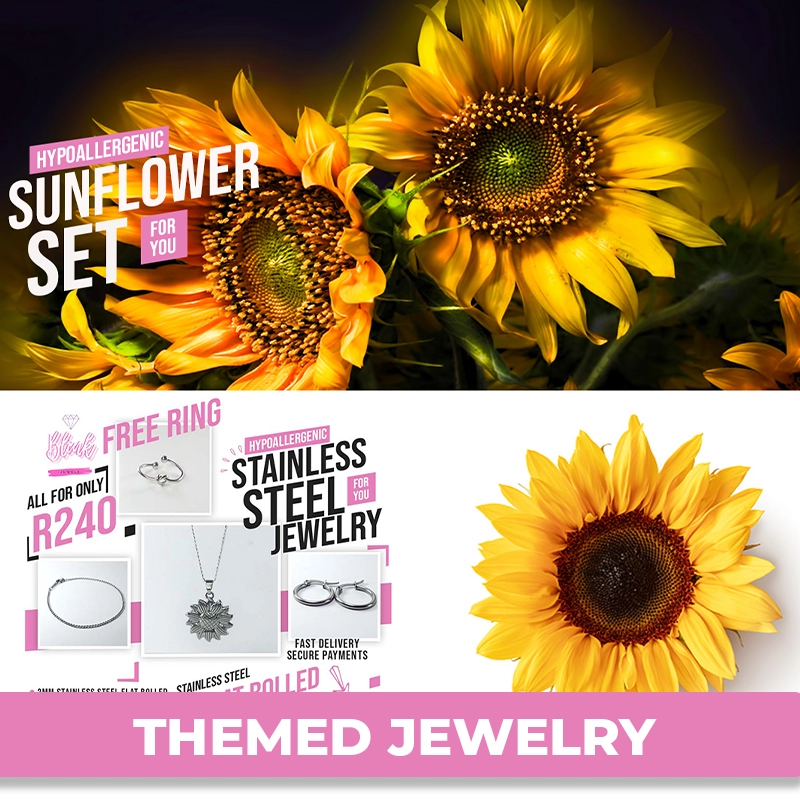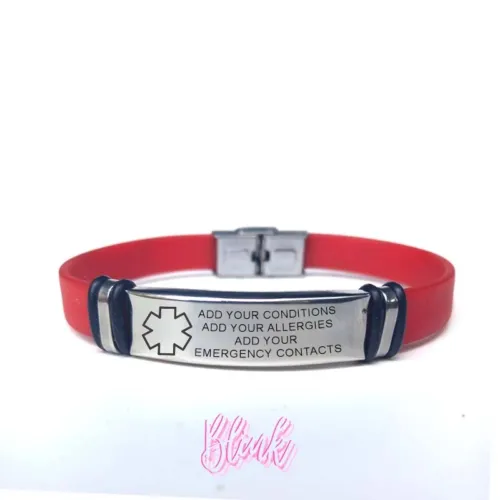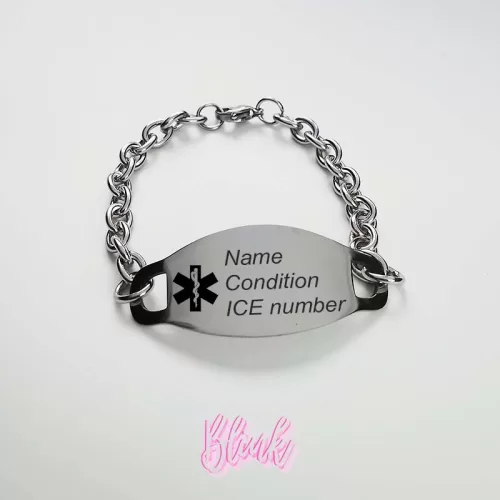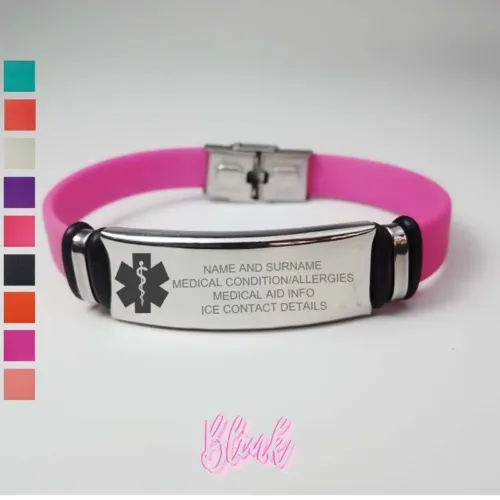


Body Jewelry
Body jewelry has been a form of self-expression for centuries. From ear piercings to nose rings, body jewelry is a way to show off your personality and style. In this post, we will discuss the different types of body jewelry and how to care for them.
Ear Jewelry
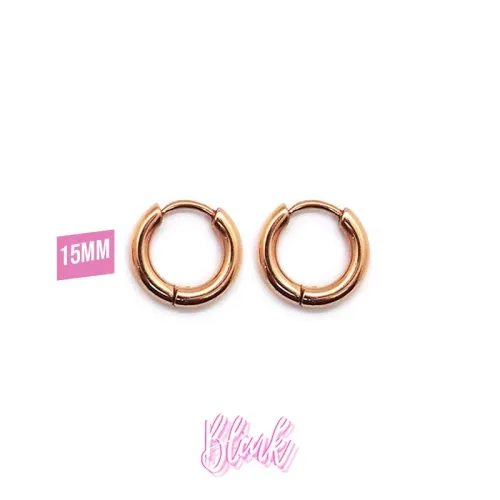
Ear piercings are the most common form of body jewelry. There are many different types of ear piercings, including the standard lobe piercing, cartilage piercings, and daith piercings. Ear jewelry comes in a variety of styles, including studs, hoops, and dangles.
Nose Jewelry
Nose piercings are another popular form of body jewelry. There are two types of nose piercings: nostril piercings and septum piercings. Nose jewelry can range from simple studs to more elaborate designs like hoops or chains.
Lip and Tongue Jewelry
Lip and tongue piercings have become increasingly popular in recent years. These piercings require more care and attention than ear and nose piercings. Lip and tongue jewelry can be simple studs or more elaborate designs like rings or barbells.
Navel Jewelry
Navel piercings are a popular form of body jewelry for those who want to show off their midriff. These piercings require proper care and attention to avoid infection. Navel jewelry can be simple studs or more elaborate designs like dangling charms.
Genital Jewelry
Genital piercings are a more intimate form of body jewelry. These piercings require extra care and attention to avoid infection. Genital jewelry can be simple studs or more elaborate designs like rings or barbells.
Proper care and cleaning are essential for all types of body jewelry. It is important to clean your jewelry and piercing regularly to avoid infection. You should also avoid changing your jewelry too soon, as this can cause irritation and infection.
In conclusion, body jewelry is a popular form of self-expression. From ear piercings to genital piercings, there is a wide variety of jewelry styles to choose from. No matter what type of body jewelry you choose, it is important to take proper care of it to avoid infection and irritation.
Welcome to the World of #Blink
Pretoria’s Largest Selection Of Stainless Steel Body Jewelry At The Lowest Prices In SA
We design and manufacture unique quality Stainless Steel Jewelry
Collection in Pretoria East or Ship all over South Africa
Hypoallergenic, non fading for all skin types
Subscribe for 15% Discount








No, twisting new piercings is not recommended. In fact, twisting or turning a new piercing can be harmful and may delay the healing process.
When a new piercing is made, the body responds by forming a protective layer of skin around the piercing site. This layer is delicate and can be easily disrupted by twisting or turning the jewelry. This can cause irritation, pain, and even infection.
It’s important to follow proper aftercare instructions for your specific piercing, which may include cleaning the area with saline solution and avoiding touching or rotating the jewelry. If you have any concerns about the healing process or aftercare, consult with a professional piercer or a healthcare provider.
It is generally not recommended to leave crust on your piercing as it can impede the healing process and increase the risk of infection. Crust, also known as “exudate,” is the combination of blood plasma, lymph fluid, and dead skin cells that can accumulate around a healing piercing. While a small amount of crust is normal during the healing process, excessive buildup can indicate a problem with the healing process.
To promote healing, it is important to follow the aftercare instructions provided by your piercer or healthcare provider. This typically involves cleaning the piercing site with saline solution or a gentle soap and water solution, and gently removing any crust that has formed around the piercing. However, it’s important to be gentle when cleaning and not to remove any crust that is firmly attached, as this can cause further irritation and delay healing. If you have any concerns about the healing process, or if you experience excessive crust, redness, or discharge, you should contact a professional piercer or healthcare provider for advice.
The length of time you should leave jewelry in after piercing depends on the type of piercing you have and how well it has healed. In general, it is recommended to leave jewelry in for at least the initial healing period, which can range from several weeks to several months or longer.
For example, earlobe piercings typically take 6-8 weeks to heal, and it is recommended to leave the jewelry in during this entire period. Other piercings, such as cartilage piercings or genital piercings, can take several months or even up to a year to fully heal, and it is important to leave the jewelry in place during this time.
After the initial healing period, it may be possible to remove the jewelry for short periods of time, but it is important to keep the piercing site clean and to ensure that the hole does not close up. It’s important to note that some piercings, such as dermal piercings or surface piercings, may require jewelry to be worn continuously to prevent the hole from closing up.
If you are considering removing jewelry from a healing piercing, it’s important to consult with a professional piercer or healthcare provider to ensure that it is safe to do so and to get advice on how to care for the piercing during the healing process.
There are several things that you should avoid doing before getting a piercing to ensure that the process goes smoothly and to reduce the risk of complications. Here are some things you should not do before a piercing:
- Drink alcohol or take drugs: Avoid consuming alcohol or drugs before getting a piercing, as they can increase bleeding and affect your ability to make sound decisions.
- Take blood-thinning medications: If you are taking blood-thinning medications, such as aspirin or ibuprofen, it is recommended to stop taking them several days before your piercing to reduce the risk of excessive bleeding.
- Use topical numbing creams: Do not apply topical numbing creams or gels to the area to be pierced, as they can interfere with the piercing process and increase the risk of infection.
- Touch the area: Avoid touching the area to be pierced, as this can introduce bacteria and increase the risk of infection.
- Wear tight or restrictive clothing: Wear loose, comfortable clothing that will not rub against the area to be pierced.
- Eat a heavy meal: Avoid eating a heavy meal before your piercing, as it can make you feel uncomfortable and may cause nausea or vomiting.
- Ignore aftercare instructions: Make sure to research and understand the proper aftercare instructions for your specific piercing before getting it done, and follow them carefully to ensure proper healing and minimize the risk of infection.
There are several risks associated with getting a body piercing. Here are six potential risks:
- Infection: Piercings can become infected if proper hygiene practices are not followed, or if the equipment used is not properly sterilized.
- Allergic reactions: Some people may have an allergic reaction to the metal used in the piercing jewelry, such as nickel, which can cause redness, itching, and inflammation.
- Bleeding: Piercings can cause bleeding, especially if the piercer hits a blood vessel or if the person has a bleeding disorder.
- Scarring: Piercings can cause scarring, especially if they are not done properly or if the person has a tendency to scar.
- Nerve damage: Piercings can damage nerves in the area, which can cause numbness, tingling, or loss of sensation.
- Rejection or migration: Sometimes, the body can reject or push out the piercing, or the jewelry can move through the skin, causing migration.
To minimize these risks, it is important to choose a reputable and experienced piercer, to follow proper aftercare instructions, and to keep the area clean and free from bacteria. If you experience any symptoms of infection, such as pain, redness, or swelling, or if you have any concerns about your piercing, it’s important to contact a professional piercer or healthcare provider for advice.
Why stainless steel Body Jewelry is the best option
When it comes to body jewelry, there are a lot of options to choose from. One of the best options, however, is stainless steel. In this post, we will discuss why stainless steel body jewelry is the best option.
Durability
Stainless steel is one of the most durable materials for body jewelry. It is resistant to corrosion and tarnishing, which means it will last longer than other materials like silver or gold. This makes it a great choice for everyday wear.
Hypoallergenic
Stainless steel is hypoallergenic, which means it is less likely to cause an allergic reaction. This is important because some people have allergies to other metals like nickel, which can cause irritation and infection.
Easy to Clean
Stainless steel body jewelry is easy to clean and maintain. You can simply wipe it down with a clean cloth or use mild soap and water to clean it. This makes it a great option for those who want low-maintenance jewelry.
Affordability
Stainless steel body jewelry is also affordable compared to other materials like gold or platinum. This makes it a great option for those who want quality jewelry without breaking the bank.
Versatility
Stainless steel body jewelry comes in a variety of styles and designs. It can be polished to a high shine or given a matte finish. It can also be adorned with stones or other embellishments. This versatility makes it easy to find a style that suits your personal taste.
In conclusion, stainless steel body jewelry is the best option for several reasons. It is durable, hypoallergenic, easy to clean, affordable, and versatile. If you are looking for quality body jewelry that will last, consider choosing stainless steel.



Can you swim and shower with stainless steel Body Jewelry
Stainless steel body jewelry is becoming increasingly popular due to its durability, affordability, and hypoallergenic properties. But many people wonder whether they can wear stainless steel body jewelry while swimming or showering. In this post, we will discuss whether it is safe to wear stainless steel body jewelry in water.
Stainless steel body jewelry is generally safe to wear in water, including swimming pools, the ocean, and in the shower. Stainless steel is resistant to corrosion and tarnishing, which means it can withstand exposure to water without rusting or discoloring. This makes it an ideal choice for those who lead an active lifestyle and want to wear their body jewelry all the time.
However, it is important to note that prolonged exposure to water can still cause damage to your body jewelry, even if it is made from stainless steel. Chlorine and saltwater can be especially harmful to your jewelry, and may cause it to corrode over time. Additionally, wearing body jewelry in water can increase the risk of infection, as bacteria can thrive in moist environments.
To minimize the risk of damage or infection, it is important to take proper care of your stainless steel body jewelry when wearing it in water. Here are some tips to follow:
- Rinse your jewelry thoroughly with clean water after swimming or showering to remove any chlorine, salt, or bacteria that may be on it.
- Dry your jewelry completely before putting it back on. Moisture can cause corrosion and can create a breeding ground for bacteria.
- Avoid wearing your jewelry in hot tubs or Jacuzzis, as the high temperatures can damage your jewelry and increase the risk of infection.
- Always clean your jewelry regularly to keep it in good condition.
In conclusion, wearing stainless steel body jewelry in water is generally safe, but it is important to take proper care of your jewelry to avoid damage and infection. By following these simple tips, you can enjoy your body jewelry while swimming or showering without worrying about its safety.
You might think we’re all about Stainless Steel Jewelry, but #Blink is about change! Changing the way people look. Transforming the way people feel. Changing people’s futures and their lives. Though our fashion-forward Stainless Steel Jewelry are centered on fun, #Blink fulfills a serious mission. We believe that trendy Stainless Steel Jewelry can be available, and affordable, to women (and men) everywhere. We know that wearing a new look, and feeling confident in your appearance, builds amazing self-esteem. Our passion is inspiring dreams, empowering talents, and reaching goals by sharing our products and the excitement of #Blink. We see it happen every day.
Blink Agents/Resellers
This vision is made possible through the reach of #Blink’s Consultants. They’re the ones who bring our original designs to kitchen countertops and boutique shops. Our Consultants bring fun and fashion to everyday life, along with the chance to explore the #Blink opportunity for Jewelry Agents. Find us on Facebook and Instagram