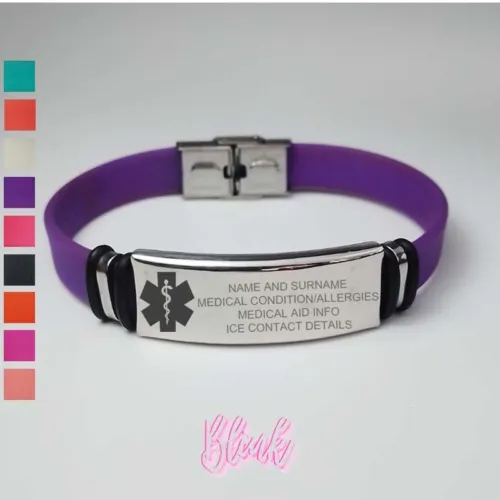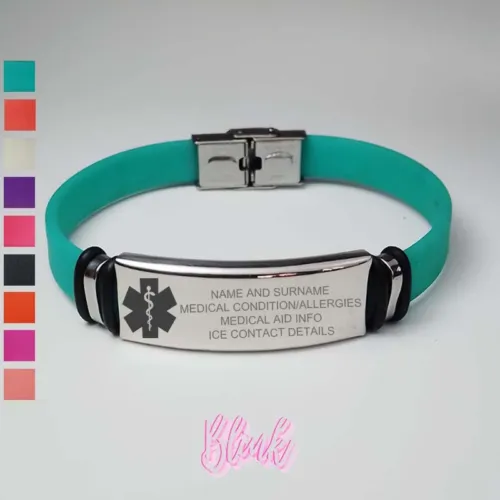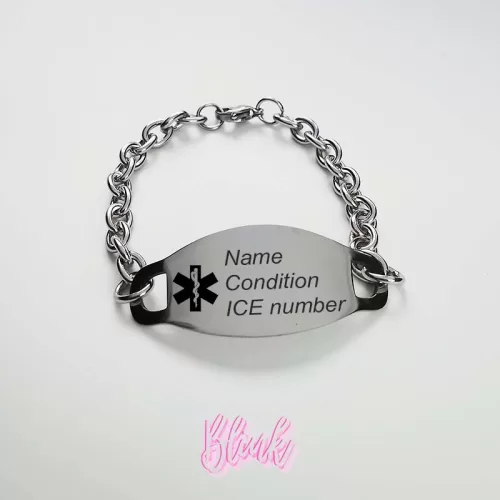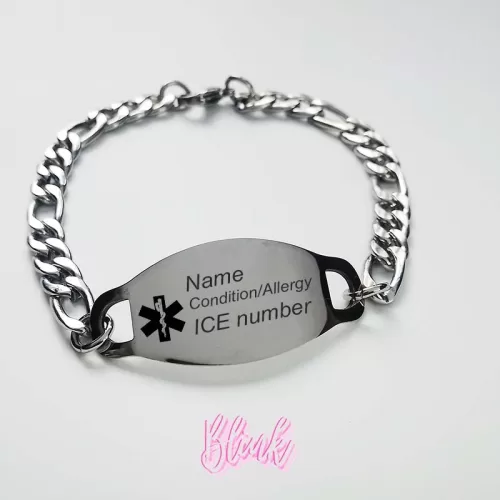


Post Author:
Blink Juwele
Categories:
Date Posted:
February 20, 2021
Share This:
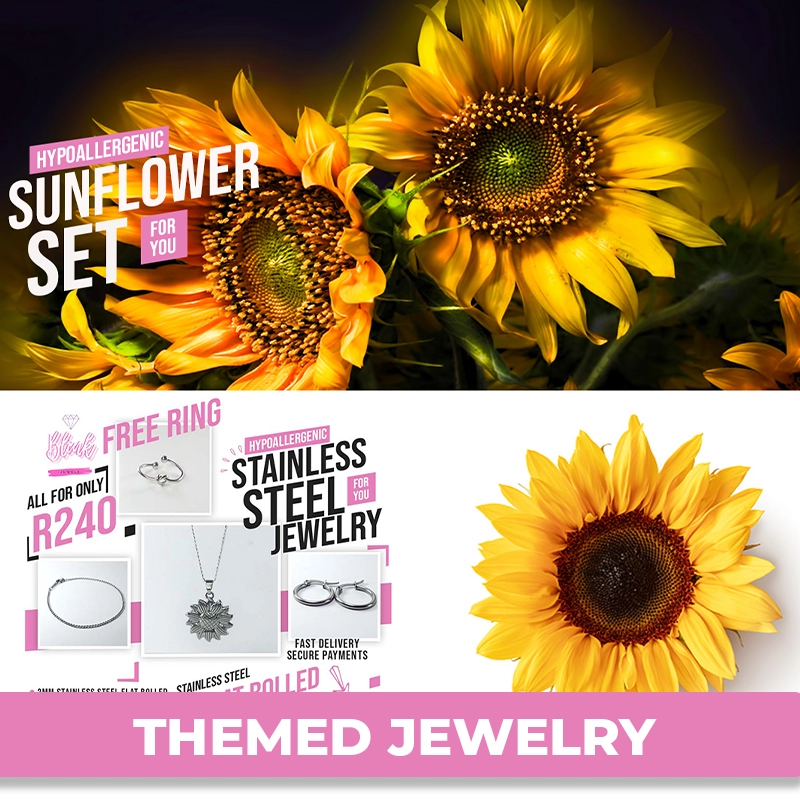
Why choose stainless steel jewelry? Hypoallergenic Steel jewelry
6 POINTS YOU DON’T KNOW ABOUT STEEL JEWELLERY
In jewelry and accessories market, many materials are used to create rings, bracelets, necklaces, earnings etc. such as silver, gold, costume jewelry in metal or toc. All our material accessories made of stainless steel. We received lots of questions concerning this material. So, in order to rest your fears, we took a step forward and did a deep research about the steel and its components.
When it comes to choosing jewelry, there are a variety of materials to choose from. However, one material that has been gaining popularity in recent years is stainless steel. While some may think of stainless steel as a material solely used for industrial purposes, it’s actually a great choice for jewelry as well. Here are some reasons why you should choose stainless steel jewelry:
- Durability
Stainless steel is known for its durability and resistance to wear and tear. Unlike other metals that may tarnish or corrode over time, stainless steel maintains its shine and appearance even after prolonged use. This makes it a great choice for everyday wear and those with an active lifestyle.
- Affordability
Compared to other metals like gold or silver, stainless steel is a more affordable option without compromising on quality. This makes it a great choice for those who want high-quality jewelry without breaking the bank.
- Hypoallergenic
Stainless steel is hypoallergenic, making it a great choice for those with sensitive skin. Unlike other metals that may cause irritation or allergic reactions, stainless steel is gentle on the skin and won’t cause any adverse reactions.
- Versatility
Stainless steel jewelry comes in a variety of styles and designs, making it a versatile choice for any occasion. From simple and understated pieces to bold and statement-making jewelry, there’s a stainless steel option to suit any style and preference.
- Low Maintenance
Stainless steel jewelry is easy to care for and requires minimal maintenance. Simply wipe it down with a soft cloth to keep it clean and shiny. Unlike other metals that may require regular polishing or cleaning, stainless steel is a low-maintenance option.
In conclusion, stainless steel jewelry is a great choice for those looking for durability, affordability, hypoallergenic properties, versatility, and low maintenance. With its many benefits, it’s no wonder why stainless steel jewelry has become increasingly popular in recent years. Whether you’re looking for everyday wear or a special occasion piece, stainless steel jewelry is a great choice to add to your collection.
1-Stainless steel is a very common metal in all areas of domestic and industrial life, because of these great stainless qualities. It is an alloy of iron, chromium, nickel, and carbon necessary to ensure the formation of a self-regenerating surface layer that makes it stainless.
2-Chrome & carbon are the components of the steel. Stainless steels are steels to which chromium has been added. According to the European Standard EN 10088-13, a steel is classified as stainless steel if it contains at least 10.5% by weight of chromium and at most 1.2% of carbon which will prevent the formation of carbides4 which are detrimental to the material.
 Another component needs to be taken into consideration: The Nickel. Nickel homogenises the alloy. It brings the properties of flexibility, malleability, and resilience (shape memory).
The regulation is very strict for jewellery, the rate of release of nickel that emerges from metals must not exceed 0,2 μg / cm² per week.
As a result, most nickel-containing alloys have been removed. But some are still allowed, like stainless steel. Stainless steel 316L for example, containing 10 to 13% nickel, does not release this nickel, and can even be implanted.
(The European Directive on nickel (94/27/EC in its latest version of 27 September 2004) requires that the nickel release rate not exceed 0.2 μg / cm² per week for jewellery to be inserted into the human body (case of piercing) Stainless steel type 304L, 316L and 316LVM (surgical steel) meet these requirements). 316 LVM steel is the only one authorised in case of contact with a wound, hence the name of surgical steel. This is the only one allowed to make a piercing.
Other elements:
- Manganese is a substitute for nickel. Certain series of Stainless steel alloys have been developed to cope with nickel supply uncertainties.
- Molybdenum and copper improve the resistance in most corrosive media, especially those that are acidic (eg perspiration), but also in phosphoric solutions, sulphur.
- Tungsten improves the resistance to high temperatures of stainless steels.
- Titanium avoids the alteration of metallurgical structures during hot work, especially during welding work, thereby preserving the Stainless steel character avoiding chromium depletion.
- Niobium has a much higher melting point than titanium and has similar properties.
- Silicon also plays a role in the resistance to oxidation.
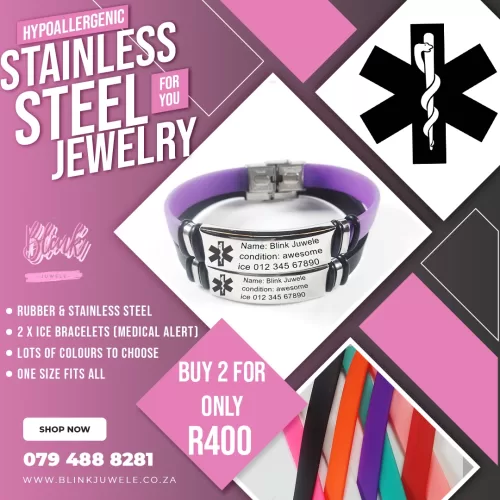
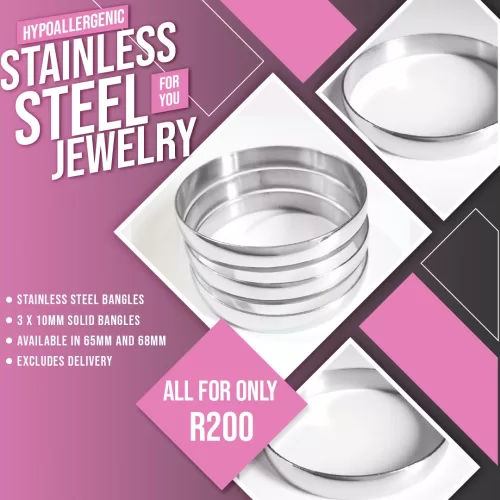


3-Is Nickel harmful bad for our health and on our environment? Is stainless steel allergenic?
The nickel that makes up this alloy is the allergenic element. The alloy that makes up stainless steel is extremely strong and limits the release of nickel.
The nickel particles are trapped in the alloy, so it remains strongly bound to the other components. The fact that nickel is not released makes stainless steel an anti-allergenic metal that does not irritate the skin (if it’s the right alloys: 304L, 316L and 316LVM are respected)
4-The advantages of stainless steel:
- Stainless steel has many advantages including: Malleable hot. It can be engraved.
- Hypoallergenic. It does not cause a reaction on the skin except very rare cases.
- Non-corrosive.
- Ecological. It does not release nickel in its environment.
- Most indestructible and almost indestructible.
- Request little maintenance.
5 – What make it Stainless?
The first advantage with stainless steel jewelry is the unalterable, indestructible, immutable quality of its alloy. Thanks to its composition, with more than 10.5% chromium, this type of steel is stainless. Indeed, it never rust. These are jewels that last in time. For all these reasons, #Blink decided to sell steel jewellery.
 Robust, they also resist water. One can keep my jewelry while taking a shower. They resist perspiration. One can then wear ones favorite bracelet while playing sports. More benefits that make my life more convenient.
Steel can in some cases oxidize (for example, the very high temperature: more than 800 ° C). Under normal conditions of use, stainless steel that contains at least 10% chromium (which is the case for 304L and 316L) develops a clear oxide film on the metal. This film is a barrier to any intrusion risking oxidation (even if the metal has suffered a shock, the protective barrier is reformed).
Stainless steel contains these characteristics: will not oxidize, will not darken in the face of daily aggressions: water, household products, seawater, cosmetics, perspiration, etc. That is why we love unalterable jewels!
6 – Different types of steel jewelry:
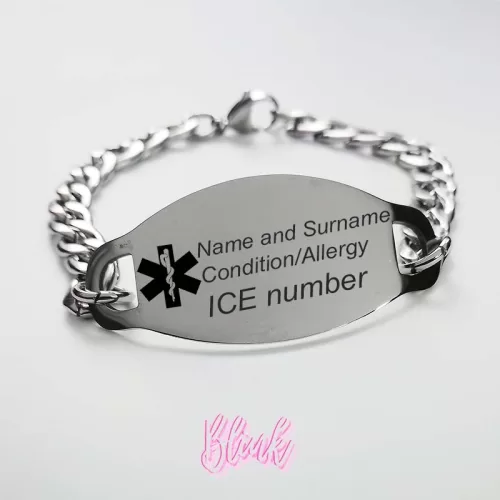
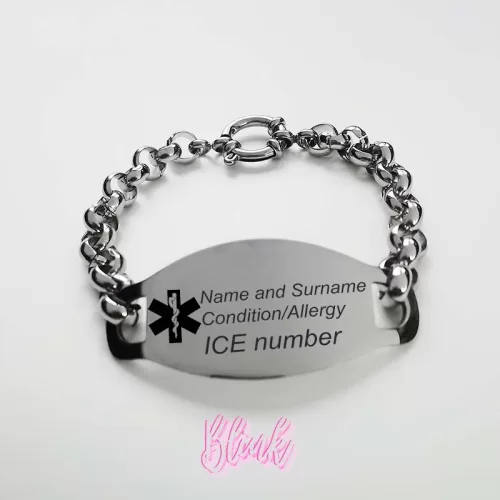
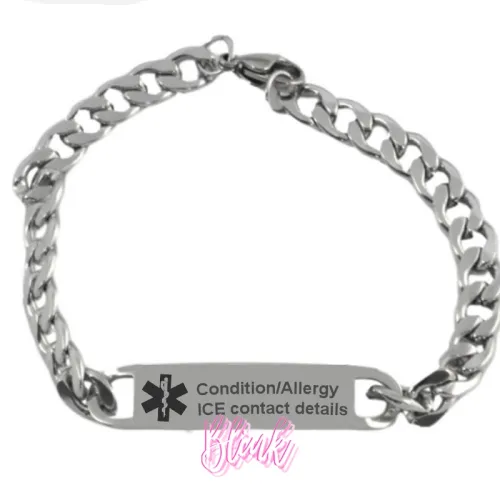
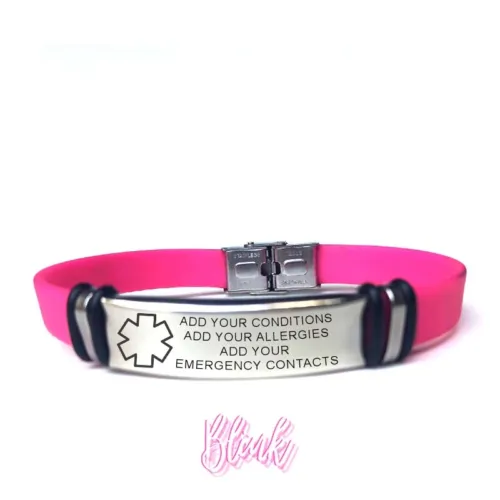
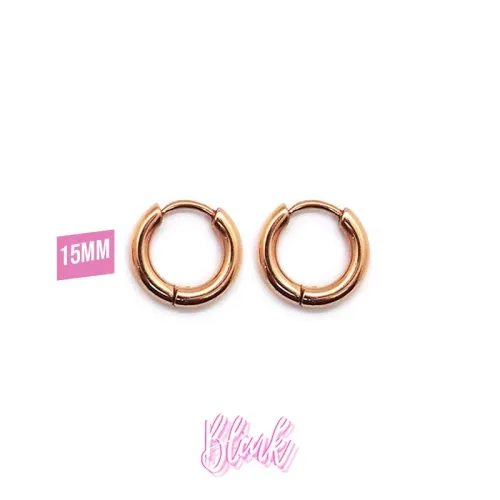
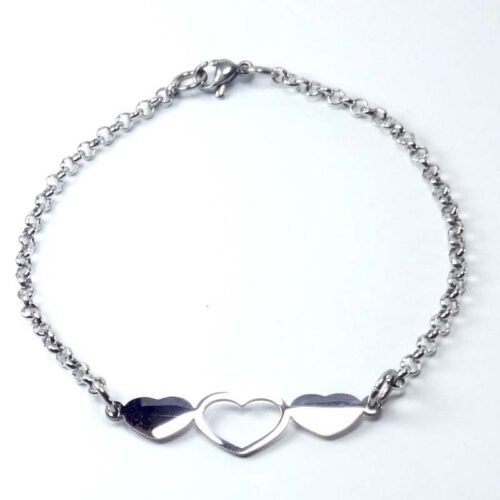
The steel jewels are declined, as for the other materials, in steel bracelet (rigid bracelet, finer bracelet, etc.), adjustable steel ring, steel earrings and also long or short steel necklace.
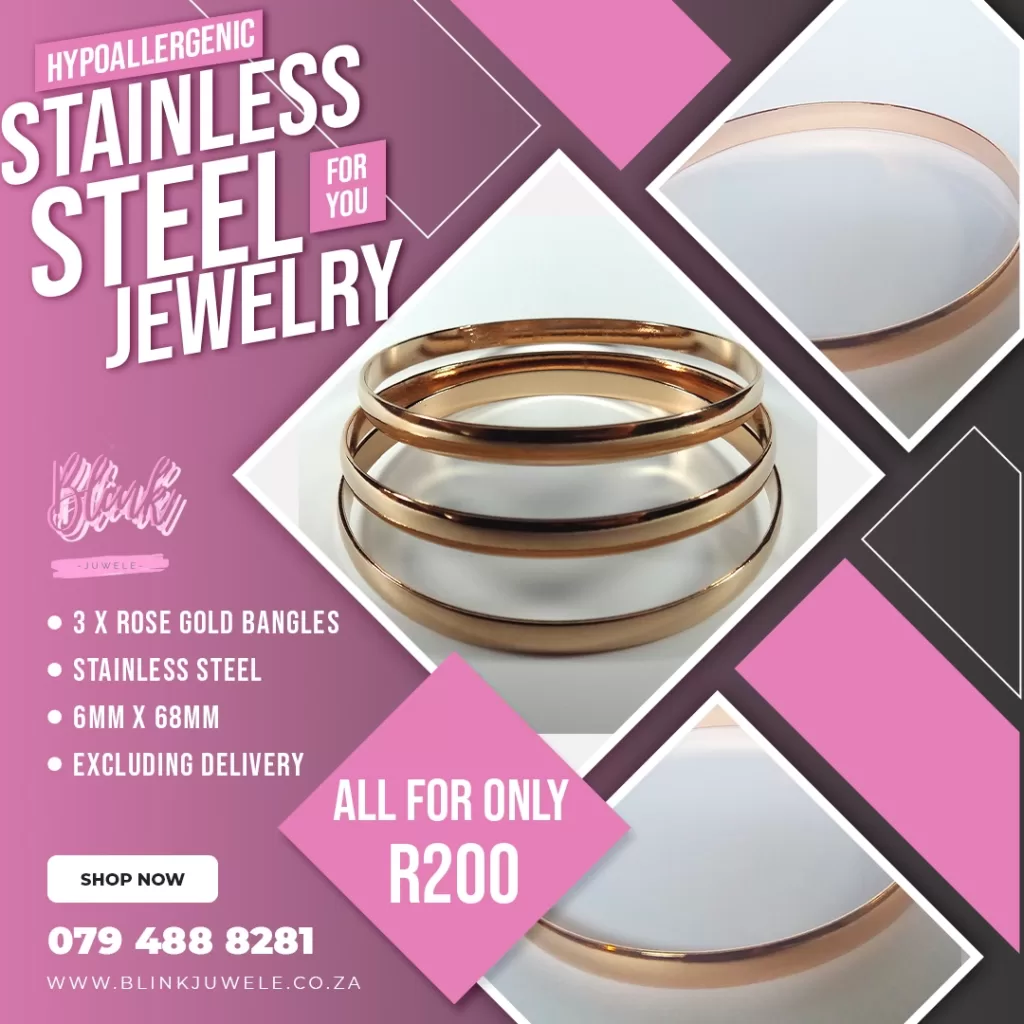
Steel can be declined in three colours: silver, gold, and pink copper. For those who love yellow gold, you can opt for gold coloured steel jewellery. On oquatre.com, you will find jewels for all tastes.
Opt for anti-allergenic steel jewelry!
You have sensitive skin. You tend to react to silver, gold or costume jewelry. Lot of people are concerned by wearing fancy earrings in toc. After a few hours, itching and tingling appeared. after removing one has to wait a few days before being able to put on a pair of earrings. In discovering the steel jewels, No one will experience that kind of problem anymore. The absence of nickel and its particular material does not cause a reaction (except very rare cases).
Remember to visit our Facebook Page, Facebook Group, Instagram Page and please contact us if you need any info on our #Blink